


DBE Urges Matric Second Chance Use
January 16, 2026
Floods Test Kruger, SANParks Earns Minister’s Praise
January 19, 2026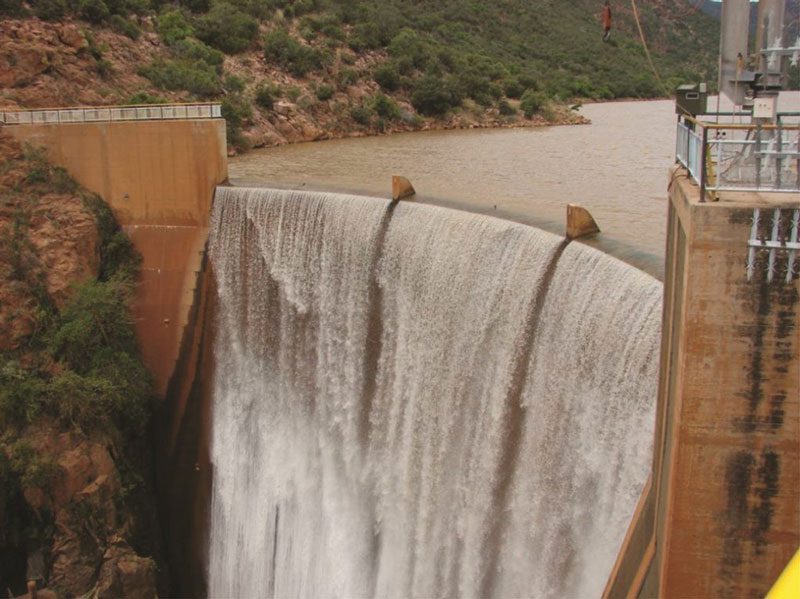
The Department of Water and Sanitation (DWS) has issued an urgent public notice warning that water levels at several dams across Limpopo have reached critically high levels following sustained rainfall.
According to the department, ongoing heavy rain and strong inflows have resulted in 14 of the 19 monitored dams exceeding 100% capacity, with several operating well above their full supply levels. DWS cautioned that this situation presents a real safety risk to nearby communities, infrastructure and recreational users.
The warning follows a visit to the province by Cyril Ramaphosa after severe rainfall and flooding claimed at least 19 lives and caused widespread damage to homes, businesses and public infrastructure. Numerous schools and clinics have also been forced to close due to flooding.
Dams above capacity
Latest verified measurements show that several dams are at or near maximum capacity, with many actively releasing water. DWS confirmed that some structures are operating above 105% capacity, significantly exceeding their intended limits.
Nsami Dam is currently the most overfull at 128.54%, followed by Merensky at 120.59% and Nzhelele at 114.47%. Tzaneen Dam stands at 108.64%. Vergelegen, Modjadji, Thabina, Nandoni, Mutshedzi and Magoebaskloof dams are all slightly above the 105% mark.
Other dams that are full or nearly full include Glen Alpine (103.72%), Ebenezer (103.04%), Nwanedzi (102.20%), Luphephe (102.07%) and Dap Naude, which is at 100%.
Albasini Dam, currently at 95.60%, is releasing water at a controlled rate of 35 cubic metres per second through five open gates to reduce pressure. Doorindraai Dam remains stable at 98.85% with all gates closed, while Middle Letaba Dam is well below capacity at 20.25% and poses no flood risk.
Emergency measures and community role
DWS said strict measures are in place, including real-time monitoring of water levels, weather conditions and dam safety, as well as controlled water releases to create buffer capacity. Emergency preparedness plans have also been fully activated.
The department urged communities living near dams to report unusual water releases, structural concerns or blocked spillways immediately, and to respect restricted zones around dam infrastructure.
While DWS manages dam operations and flood forecasting, evacuations and emergency relief fall under provincial and municipal disaster management authorities.
Residents have been advised to avoid recreational activities near dams and riverbanks, heed warning signs, never cross flooded roads, keep children and livestock away from water, and remain alert for animals such as crocodiles and hippos carried by strong flows.
