


Ramaphosa Vows Fair US Trade Deal
September 10, 2025
Benin Join Calls for Bafana Points Deduction
September 10, 2025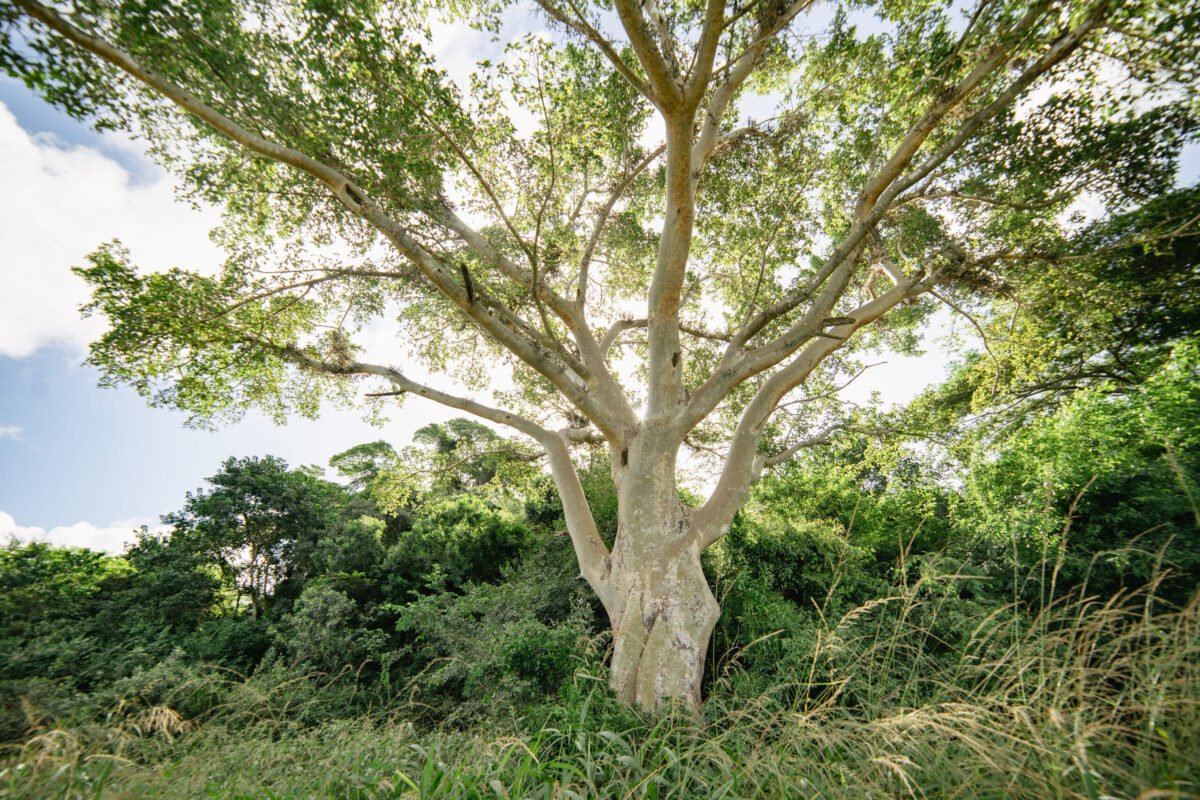
As South Africa marks Arbor Month this September, Forestry South Africa (FSA) has highlighted the role of commercial plantations in protecting indigenous trees and conserving biodiversity.
The country has about 1.2 million hectares of commercial timber plantations across Limpopo, Mpumalanga, KwaZulu-Natal, the Eastern Cape and the Western Cape. Before plantations were established more than a century ago, indigenous forests were heavily harvested for fuel and building materials, placing them at risk of collapse. Plantations provided a renewable alternative, ensuring the survival of natural forests.
Today, the forestry sector actively conserves over 300 000 hectares of natural ecosystems within its landholdings. This includes 61 000 hectares of indigenous forests and over 240 000 hectares of wetlands, grasslands, fynbos and river systems. These areas are carefully managed to protect biodiversity, often forming ecological corridors that support wildlife.
One example is the endangered Long-toed Tree Frog, thriving in Sappi’s Pinewoods plantation in KwaZulu-Natal. Its presence signals healthy wetlands and grasslands, underscoring the conservation value of managed forestry landscapes.
Partnerships with researchers, conservation bodies and communities are also helping extend efforts beyond forestry land. Projects such as Sappi’s Rare Species Programme, which has distributed 183,000 pepper bark and other saplings for traditional medicine, and WWF South Africa’s Water Stewardship Partnership, which restores ecosystems and creates local jobs, show the impact of collaboration.
FSA stresses that lasting change depends on collective action. Every landowner, it says, has a role to play in balancing production with preservation.
