


DSD Urges Vigilance Against Underage Drinking
November 17, 2025
South Africa’s Top Spellers Head to Sun City for National Finals
November 18, 2025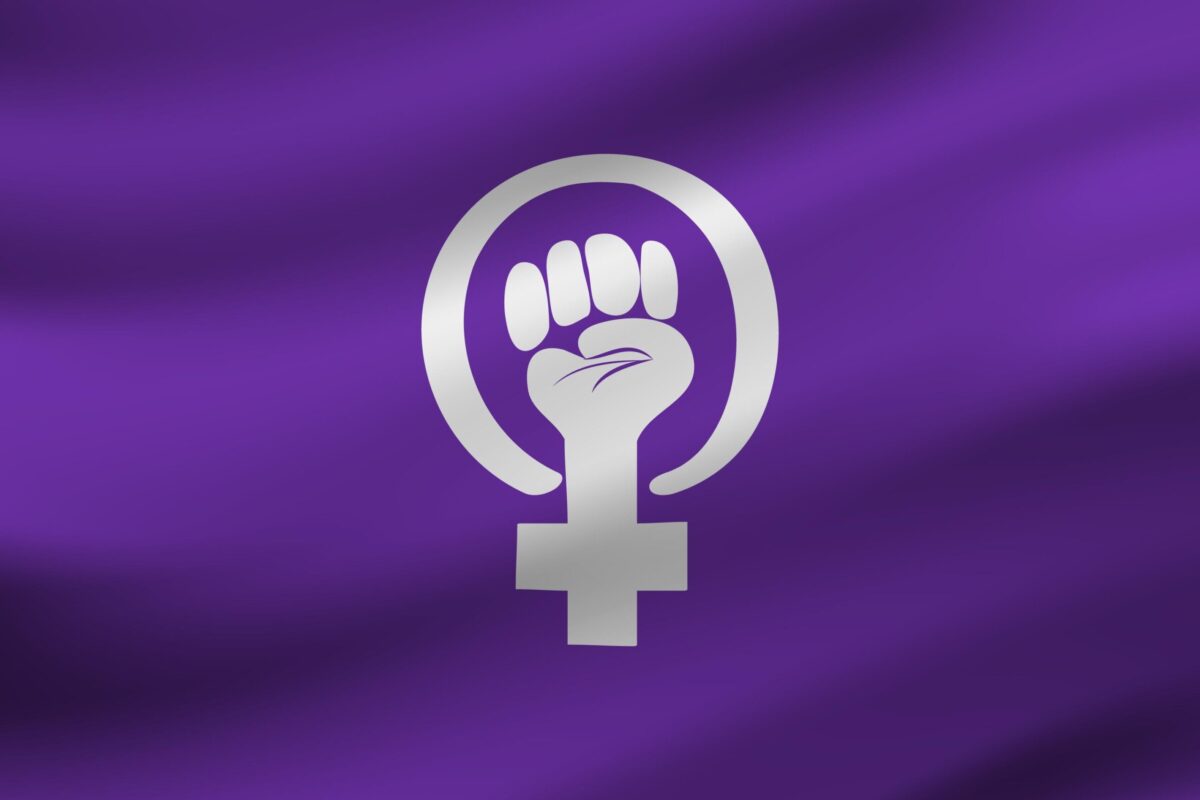
South Africa is facing a relentless crisis of gender-based violence and femicide. Every day, women are harmed, silenced, and, too often, killed. It is a national emergency that continues to test the moral fibre of the country. The growing purple movement has emerged as a powerful response — a collective call for society to confront the scale of this violence and to demand meaningful change.
The purple movement is more than symbolic. Citizens across the country are wearing purple, filling timelines on social media, and taking part in acts of stillness and protest to draw attention to the thousands of women who die each year. Activists are calling for gender-based violence to be treated as a national disaster, demanding coordinated interventions, increased resources, and accountability at all levels of society.
What people need to know about the purple movement: it is a national campaign led primarily by women and supported by organisations like Women For Change. Its aim is to make the country pause and reflect on the scale of GBVF. On designated days, participants are encouraged to wear purple, refrain from paid and unpaid work, and take symbolic acts of protest such as lying down in public spaces for a few minutes. The movement seeks to create visibility for the crisis, challenge societal indifference, and push for concrete governmental action, including stronger laws, better enforcement, and support services for survivors.
The tragic killing of Dr Nondumiso Sibanyoni last year is one example of the urgent problem the purple movement highlights. Her death shocked the nation and exposed the reality that even educated and independent women can be left vulnerable in a system that too often fails to protect its citizens. Her case has become a symbol of the human cost of GBVF, galvanising activism and reminding the public of the scale and severity of the crisis.
What makes the purple movement particularly striking is its refusal to settle for performative gestures or empty promises. Women across the country are calling for structural change: better policing, stronger legal protection, justice reforms, and community accountability. They demand a society where women can live safely, free from fear, and where the response to violence is timely, serious, and effective.
The movement has sparked national conversations about safety, accountability, and government responsibility. It forces the country to confront uncomfortable truths about misogyny, systemic failures, and the human toll of continued inaction. The purple movement is not just a protest; it is a demand that South Africa take responsibility for the lives of its women and girls, and act to prevent further tragedies.
As the purple wave gains momentum, it challenges the nation to move beyond awareness and toward action. It is a powerful reminder that GBVF is not only a series of individual tragedies, but a societal crisis that demands urgent and sustained intervention. South Africa’s future will be judged not by the headlines of today, but by the safety and dignity it ensures for women tomorrow.
