


ARV Tender Turmoil Raises Red Flags
February 18, 2026
Traditional Healer Jailed Over Murder Plot
February 19, 2026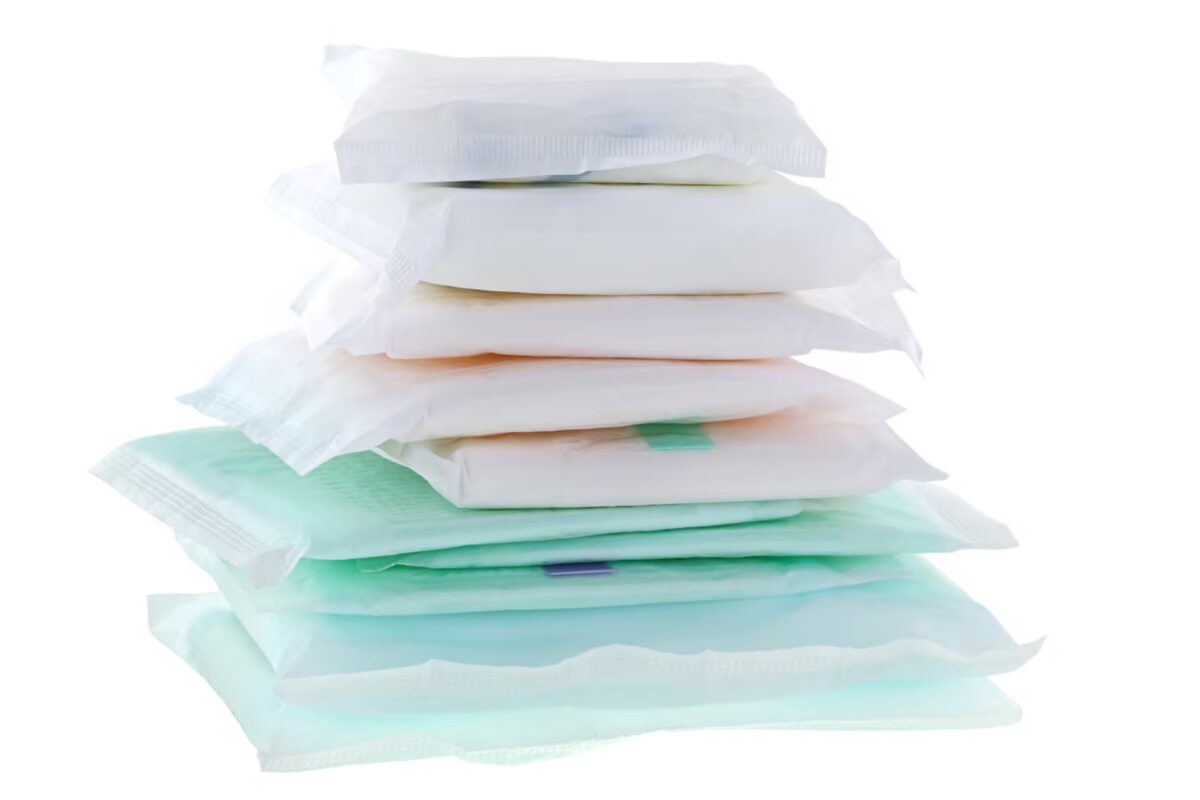
A new University of the Free State (UFS) study is raising fresh questions about what South Africans may be exposed to during their monthly cycle. Researchers found that every sanitary pad and pantyliner tested contained at least two hormone-disrupting chemicals, including products marketed as “free from harmful chemicals”.
Published in Science of the Total Environment, the study analysed 16 brands of sanitary pads and eight types of pantyliners sold in South African retail stores. The team screened for three groups of endocrine-disrupting chemicals (EDCs): phthalates, bisphenols (including BPA), and parabens.
The results showed widespread contamination across all products tested. Bisphenols were detected in 100% of pads and 75% of pantyliners, while parabens were found in over 81% of pads and 75% of liners. Phthalates appeared in all pantyliners tested and in 50% of sanitary pads. Researchers said these chemicals may not always be added on purpose, but could migrate into products through plastics, adhesives, inks, and manufacturing processes.
What makes this issue especially personal is where these products are used. Menstrual pads and liners come into contact with mucosal tissue, which can absorb chemicals more directly than normal skin. While the amount in a single product might seem small, the study warns that repeated exposure over many years could add up. Long-term exposure to EDCs has been linked in research to hormonal disruption, fertility challenges, endometriosis, and certain cancers.
The study also highlights gaps in regulation and transparency. In South Africa, standards focus largely on performance and hygiene, but researchers say there are limited chemical standards for the substances detected, and manufacturers are generally not required to disclose full ingredient lists.
For consumers, the advice is practical rather than panic-driven: look for products with independent certification such as OEKO-TEX Standard 100, and consider reusable alternatives where suitable. The UFS team says it is also working on innovations, including reusable pads with antimicrobial properties.
Ultimately, the research is a call for clearer labelling, stronger safety standards, and more honest “clean” marketing—so that shoppers can make informed choices about products used month after month, year after year.
